On June 12, 2025, a devastating aviation disaster unfolded in Ahmedabad, India’s northwestern city and the capital of Gujarat state. Air India Flight AI171, a Boeing 787-8 Dreamliner bound for London Gatwick Airport, crashed shortly after takeoff from Ahmedabad International Airport. The aircraft carried 244 people on board—typically reported as 232 passengers and 12 crew members, though figures varied slightly in initial reports between 242 and 244. The plane went down just minutes into its flight, slamming into a densely populated residential area near Meghani Nagar, close to the airport.
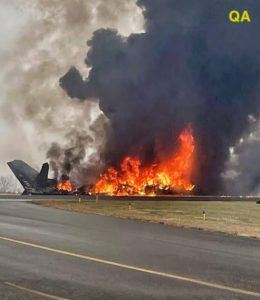
This incident has sent shockwaves across India and the international community, marking one of the deadliest commercial plane crashes in recent Indian aviation history. As rescue and recovery operations continue, authorities are piecing together the sequence of events, while families mourn loved ones from multiple nationalities. The Flight and Sequence of Events Flight AI171 departed from Ahmedabad at approximately 1:38 p.m. local time (IST). The Boeing 787-8, a wide-body jet known for its fuel efficiency and long-range capabilities, was en route to London with a mix of passengers including Indian nationals (the majority), British citizens, a Canadian, and Portuguese nationals. Eyewitnesses and local media described a normal takeoff followed by an abrupt loss of control. Within about five minutes, the aircraft descended rapidly and impacted the ground in a residential neighborhood. Thick black smoke billowed from the crash site, visible for miles, as flames engulfed parts of the wreckage and nearby structures. The plane reportedly struck buildings, including areas near a medical college or hospital, leading to additional ground casualties. Emergency services, including fire brigades, ambulances, and local police, rushed to the scene. Videos circulating on social media and news outlets showed chaotic scenes: rescuers searching through debris, injured survivors being carried away, and residents fleeing the area. The Directorate General of Civil Aviation (DGCA) and Air India quickly confirmed the incident. ### Casualties and Human Toll Tragic reports indicate that 241 to 246 people perished, including nearly all on board and several on the ground. One passenger was reportedly thrown clear and survived with injuries, offering a rare glimmer of hope amid the horror. Ground fatalities included medical students or staff in the impacted buildings. The passenger manifest reflected India’s global diaspora: many were likely traveling for business, family visits, or returning home to the UK. Losing 169+ Indian nationals, dozens of British citizens, and others compounded the grief for two nations. Hospitals in Ahmedabad were overwhelmed with the injured, and counseling services were mobilized for families. Prime Minister Narendra Modi, whose home state is Gujarat, expressed condolences and promised a thorough investigation. International leaders, including from the UK, offered support and assistance in identification and repatriation efforts. ### Aircraft and Potential Causes The Boeing 787-8 involved was a modern aircraft with an excellent safety record overall. Air India has been expanding its fleet as part of India’s booming aviation sector. Preliminary speculation points to possible mechanical failure, bird strike, pilot error, or external factors, but no official cause has been determined. The black boxes (flight data recorder and cockpit voice recorder) were recovered or are being sought, and a full investigation by the Aircraft Accident Investigation Bureau (AAIB) of India, with potential Boeing and international assistance, is underway. Ahmedabad Airport has handled increasing traffic, but this event raises questions about airspace, maintenance protocols, and emergency response in urban-adjacent airports. India has seen significant aviation growth post-COVID, with stricter safety oversight following past incidents. ### Broader Context and Aftermath Aviation safety in India has improved dramatically over the decades, but incidents like this remind us of the inherent risks. The country operates one of the world’s fastest-growing air travel markets, connecting its vast population and economy. In the days following the crash, Air India grounded similar aircraft for inspections, offered compensation to families, and set up helplines. Global stock markets saw minor dips for Boeing and airline shares. Memorials have sprung up, with vigils in Ahmedabad, London, and Indian cities. Longer-term, this tragedy may lead to enhanced regulations, better urban planning around airports, and renewed focus on pilot training and mental health. For the survivors and families, the road to recovery will be long—marked by grief, inquiries, and potential lawsuits. ### Reflections on Loss and Resilience The crash of Flight AI171 is more than statistics. It represents shattered dreams: students heading abroad, families reuniting, professionals chasing opportunities. In Meghani Nagar, residents now face destroyed homes and trauma. Yet, India’s response—swift emergency services, community support, and national unity—highlights resilience. As investigations proceed, the world watches for answers. Why did a routine flight turn catastrophic? Lessons learned could prevent future disasters. For now, the focus remains on honoring the victims, supporting the bereaved, and ensuring accountability. This event underscores aviation’s dual nature: a marvel of human engineering that connects the world, yet vulnerable to failure with catastrophic consequences. As of May 2026, with ongoing probes, the full story continues to emerge. Families deserve transparency, and the industry must evolve.