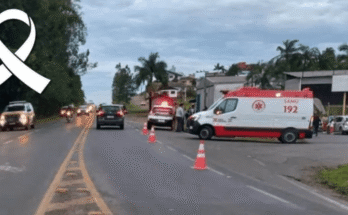
A wave of excitement spread across social media today after a dramatic post claiming that a major event had occurred “just 5 minutes ago.” Thousands of users rushed to click the headline, hoping to learn about an important breaking development. Within minutes, the post had been shared widely, with comments pouring in from people eager to know what had happened.

However, as with many viral posts, the headline itself revealed very little. Instead, it relied on suspense and curiosity to encourage readers to click. This style of headline—often ending with phrases like “See More” or “Read More”—has become increasingly common across social media platforms. While some of these posts link to legitimate news stories, others exaggerate events or provide misleading information to attract attention. Experts say that in today’s fast-moving digital world, sensational headlines can spread much faster than verified facts. A dramatic claim may reach thousands or even millions of people before journalists have had time to confirm the details. As a result, readers are encouraged to pause before sharing breaking news and to look for confirmation from reputable news organizations.
The rapid spread of information is one of the defining characteristics of modern technology. Smartphones, social media apps, and instant notifications allow people to learn about important events within seconds. Whether it is a natural disaster, a political announcement, a scientific discovery, or a sporting event, updates can travel around the globe almost instantly. This speed offers many advantages. Emergency alerts can warn communities about dangerous weather, government agencies can issue public safety information, and families can stay informed during crises. At the same time, the speed of online communication also creates challenges. Rumors, edited videos, and false claims can circulate just as quickly as verified reports. Journalists play a crucial role in separating fact from speculation. Before publishing a story, professional news organizations typically seek confirmation from multiple sources, interview witnesses, review official statements, and verify photos or videos whenever possible. Although this process takes time, it helps ensure that the public receives accurate information rather than unverified rumors. Social media users also have an important role. Before clicking the “Share” button, it is worth asking a few simple questions. Does the headline clearly explain what happened? Does the article identify reliable sources? Is the information being reported by several established news outlets? Has an official organization commented on the event? These questions can help reduce the spread of misinformation. Another common tactic used in viral posts is emotional language. Headlines may use words such as “shocking,” “unbelievable,” “heartbreaking,” or “you won’t believe” to capture attention. While genuine breaking news can certainly involve emotional events, exaggerated wording alone should not be taken as evidence that a story is true. Digital literacy experts recommend reading beyond the headline. Many people react to a headline without opening the article itself. Unfortunately, headlines are sometimes written to maximize clicks rather than to summarize the facts accurately. Reading the full story provides important context that may completely change the initial impression. Technology companies continue to develop tools to reduce the spread of misleading information. Some platforms label developing stories, provide links to authoritative sources, or reduce the visibility of posts that independent fact-checkers identify as false. These efforts aim to help users make informed decisions while preserving access to timely news. For readers, patience is often the best approach when major events occur. Early reports can change as more evidence becomes available. Initial eyewitness accounts may be incomplete or inaccurate, and official investigations frequently reveal additional details over time. Waiting for verified information helps avoid confusion and prevents the spread of false rumors. Breaking news remains one of the most important functions of modern journalism. When major events truly happen, reliable reporting keeps communities informed and helps people respond appropriately. Whether the story involves public safety, government announcements, business developments, science, or international events, accurate reporting is essential. The next time you see a headline that says, “BREAKING NEWS—Just In 5 Minutes Ago… See More,” remember that the headline alone doesn’t tell the whole story. The most valuable information comes from verified reporting, credible sources, and careful fact-checking. In an age where information travels faster than ever before, taking a moment to confirm the facts is one of the simplest and most effective ways to stay accurately informed.